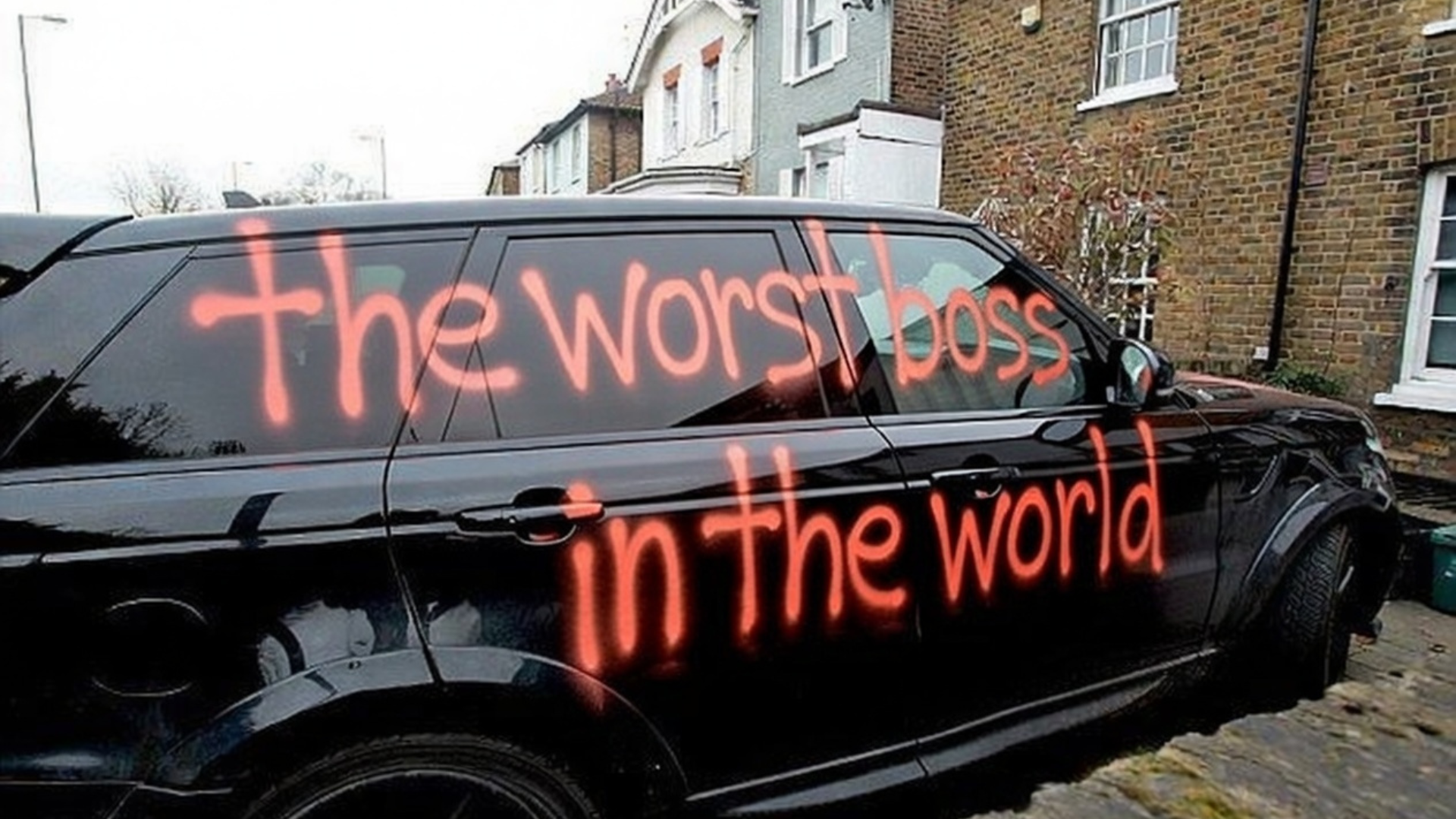
Mark had always been a dedicated employee. For over four years, he worked as a mid-level manager at a logistics company, consistently meeting targets, staying late to finish reports, and mentoring newer team members. His performance reviews were solid. His clients liked him. His colleagues respected him. But none of that mattered to the one person whose opinion shaped his daily life at work — his direct supervisor, David.
From the very beginning, David seemed to single Mark out. It started small: dismissive comments during meetings, ignoring Mark's suggestions only to present the same ideas as his own a week later, and assigning unrealistic deadlines that no one could reasonably meet. Mark brushed it off at first, telling himself it was just the pressure of the job. Every workplace has difficult personalities, he thought. He could handle it.
When Pressure Became Persecution
But things escalated. David began criticizing Mark openly during team meetings — not constructive feedback, but personal attacks designed to humiliate. He would call Mark's ideas "embarrassing" in front of the entire department. He once told Mark, in front of six colleagues, that he was "the weakest link on the team" and that "anyone off the street could do a better job." The room fell silent. Nobody said a word. Mark felt the heat rise in his face, but he stayed composed. He always stayed composed.
Behind closed doors, it was even worse. David would send late-night emails demanding immediate responses. He micromanaged every detail of Mark's work while giving other managers complete autonomy. When Mark requested time off for a family emergency, David questioned whether it was "really necessary" and reminded him that "commitment means sacrifice." Mark went to the office the next day despite his family needing him at home.
Over time, the constant belittling took its toll. Mark started losing sleep. He developed anxiety that made his hands shake before every Monday morning meeting. He stopped socializing with friends because he was too mentally drained after work. His partner noticed the change and begged him to find a new job, but Mark felt trapped. The job market was tight, he had a mortgage, and some part of him still believed that if he just worked harder, things would improve.
The Culture of Silence
What made the situation even more painful was the silence of everyone around him. Colleagues who witnessed David's outbursts would later approach Mark privately and say things like, "That was really unfair" or "I don't know how you put up with it." But no one ever spoke up in the moment. No one reported it to HR. The unspoken rule was clear: don't challenge David, or you'll be next.
Mark did eventually go to Human Resources himself. He documented specific incidents, provided dates and witnesses, and formally filed a complaint. The HR representative listened politely, took notes, and promised to "look into it." Two weeks later, Mark was told that the investigation found "no evidence of a hostile work environment" and that David's management style, while "direct," was within acceptable boundaries. Nothing changed. If anything, David's behavior grew worse after the complaint, as though he knew he was untouchable.
The Breaking Point
The final straw came on an ordinary Tuesday afternoon. During a company-wide presentation, Mark was delivering quarterly results to senior leadership. He had prepared for weeks. Midway through, David interrupted him, turned to the executives, and said, "I apologize for this — I should have handled this presentation myself. Let me take over." He physically took the remote from Mark's hand and dismissed him in front of over forty people. Mark stood there for a moment, then quietly walked back to his seat.
That night, something shifted inside him. Years of suppressed frustration, humiliation, and helplessness converged into a single, overwhelming emotion. He couldn't sleep. He couldn't think clearly. All he could feel was the weight of every demeaning comment, every stolen idea, every public embarrassment replaying on a loop in his mind.
The next morning, Mark arrived at the office parking lot earlier than usual. David's sleek black sedan was already parked in his reserved spot — the one closest to the building entrance, of course. Mark reached into his bag, pulled out two cans of spray paint, and in broad daylight, wrote across the hood, doors, and trunk: "WORST BOSS IN THE WORLD," "BULLY," and "EVERYONE KNOWS THE TRUTH." He set the empty cans on the pavement, walked inside, placed his resignation letter on David's desk, and left the building for the last time.
The Aftermath
Word spread through the office within minutes. Photos of the car circulated in group chats. Reactions were split. Some people quietly cheered — finally, someone had stood up to David, even if in a dramatic and destructive way. Others were shocked, calling it unprofessional and extreme. David was reportedly furious and threatened legal action, though it's unclear whether he ever followed through.
Mark later reflected on what he did with mixed feelings. In an anonymous post shared on a workplace forum, he wrote that the momentary release felt incredible — like years of pressure finally escaping. But he also acknowledged that it wasn't the right way to handle the situation. It could have led to criminal charges for property damage. It burned a professional bridge permanently. And it didn't actually solve the underlying problem: David was still in his position, still managing people, still unchecked.
What This Story Really Teaches Us
Mark's story is extreme, but the emotions behind it are painfully common. Workplace bullying affects an estimated 30% of employees at some point in their careers, according to the Workplace Bullying Institute. And the consequences are serious: chronic stress, anxiety, depression, loss of confidence, and in severe cases, post-traumatic stress disorder. Yet many organizations still lack meaningful protections for employees targeted by abusive supervisors.
The reality is that when formal channels fail — when HR sides with management, when colleagues stay silent, when the bully is protected by their position — employees are left with very few options. Most simply endure it until they can't anymore, then leave quietly. Mark's departure was louder than most, but the underlying experience is shared by millions of workers worldwide.
If you recognize yourself in Mark's story, here are some steps worth considering before you reach your own breaking point:
Document everything meticulously. Keep a detailed log of every incident with dates, times, witnesses, and exact words used. Save emails, messages, and any written communication that demonstrates a pattern of abusive behavior. This documentation is essential whether you pursue internal complaints, legal action, or simply need to validate your own experience.
Seek support outside the workplace. Talk to a therapist, a trusted friend, or a professional counselor who specializes in workplace trauma. The emotional toll of sustained bullying is real and serious, and processing it alone only compounds the damage. You are not weak for needing help — you are dealing with a genuinely harmful situation.
Know your legal rights. Depending on your jurisdiction, workplace bullying and harassment may be covered by employment law, especially if it involves discrimination based on protected characteristics. Consult an employment attorney to understand your options. Many offer free initial consultations.
Build your exit strategy. Start updating your resume and networking while you are still employed. Having a plan reduces the feeling of being trapped and gives you a sense of agency. You don't have to stay in a toxic environment forever — and leaving on your own terms, with your professional reputation intact, is far more empowering than a dramatic exit.
Don't let someone else's cruelty define your career. A toxic boss is one person in one chapter of your professional life. Their behavior reflects their own inadequacy as a leader, not your value as an employee. Every day you spend internalizing their negativity is a day you could spend building something better for yourself.
The Bigger Picture
Mark's story went viral not because people condone vandalism, but because it struck a nerve. Millions of workers around the world endure toxic leadership in silence, and there is something cathartic about seeing someone — anyone — refuse to take it quietly. The spray paint on David's car was never really about the car. It was a visible, undeniable statement that said: "This happened. It was wrong. And I won't pretend it wasn't."
The real question isn't whether Mark was right or wrong. It's why so many workplaces still allow people like David to thrive unchecked. Until organizations take workplace bullying as seriously as they take other forms of misconduct, stories like Mark's will keep happening — and the cost will be measured not in damaged car paint, but in damaged lives.
If you're currently dealing with a toxic work environment, please know that you're not alone, and there are healthier paths forward than the one Mark chose. Your mental health, your dignity, and your future are worth protecting — and you deserve a workplace that values what you bring to the table.