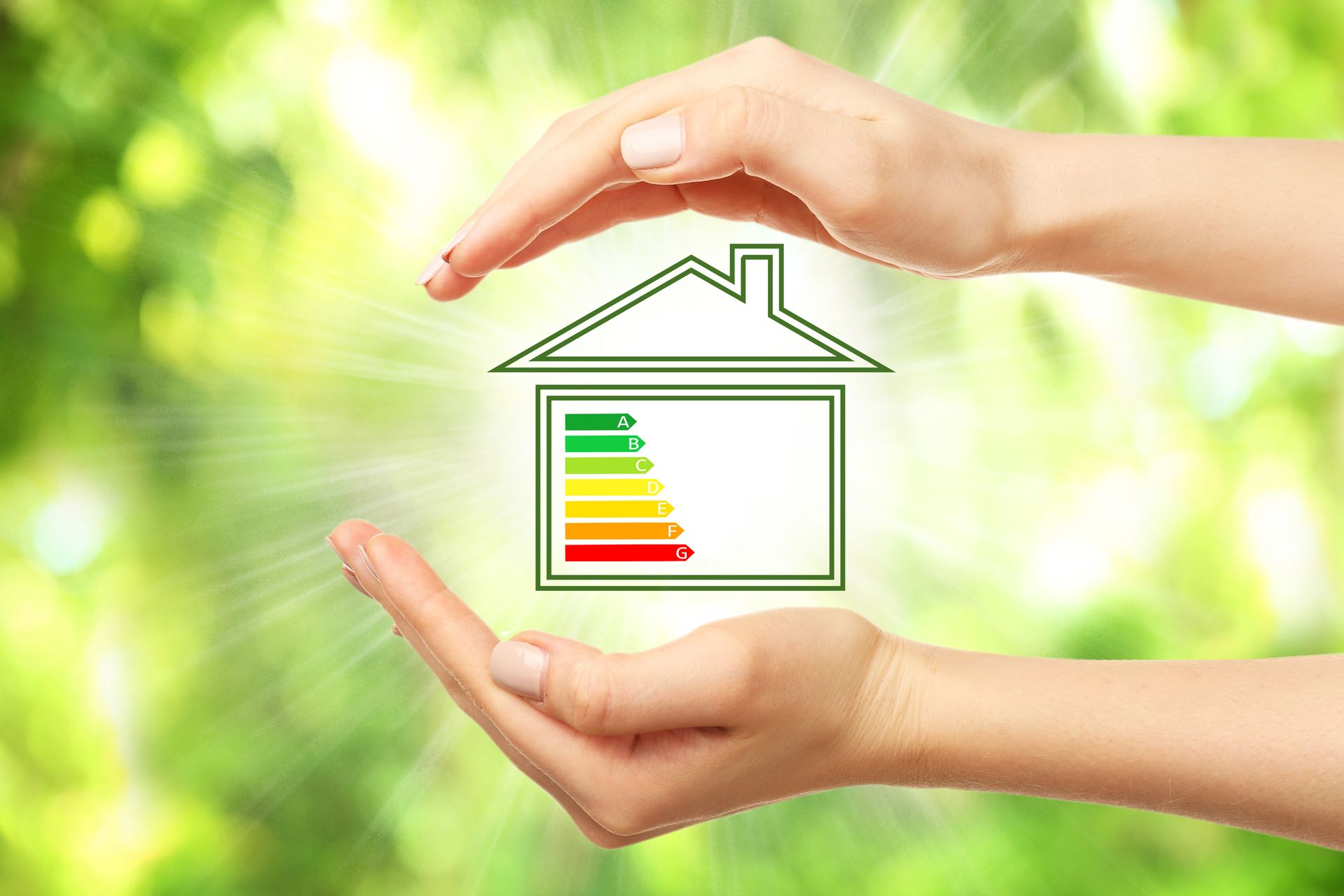
Household energy consumption represents a significant portion of both monthly expenses and environmental impact. Strategic modifications to home systems and daily habits can reduce energy use by twenty to forty percent without sacrificing comfort. Understanding where energy goes helps prioritize interventions: heating and cooling typically consume the most power, followed by water heating, appliances, and lighting.
Temperature management offers the greatest savings potential. Programmable thermostats automatically adjust heating and cooling based on occupancy patterns. Setting temperatures just a few degrees lower in winter and higher in summer yields substantial savings. Proper insulation and weather stripping prevent energy loss through windows and doors. Close curtains during hot afternoons to block solar heat gain, and open them during winter days for passive warming.
Appliance efficiency matters significantly. LED bulbs use seventy-five percent less energy than incandescent lights and last exponentially longer. Unplug devices when not in use, as many draw phantom power even when switched off. Run dishwashers and washing machines only with full loads, using cold water when possible. Replace aging appliances with Energy Star certified models—initial costs return through reduced utility bills. Regular HVAC maintenance ensures systems operate efficiently. These combined strategies create meaningful financial savings while reducing environmental impact, demonstrating that sustainability and economy align perfectly.