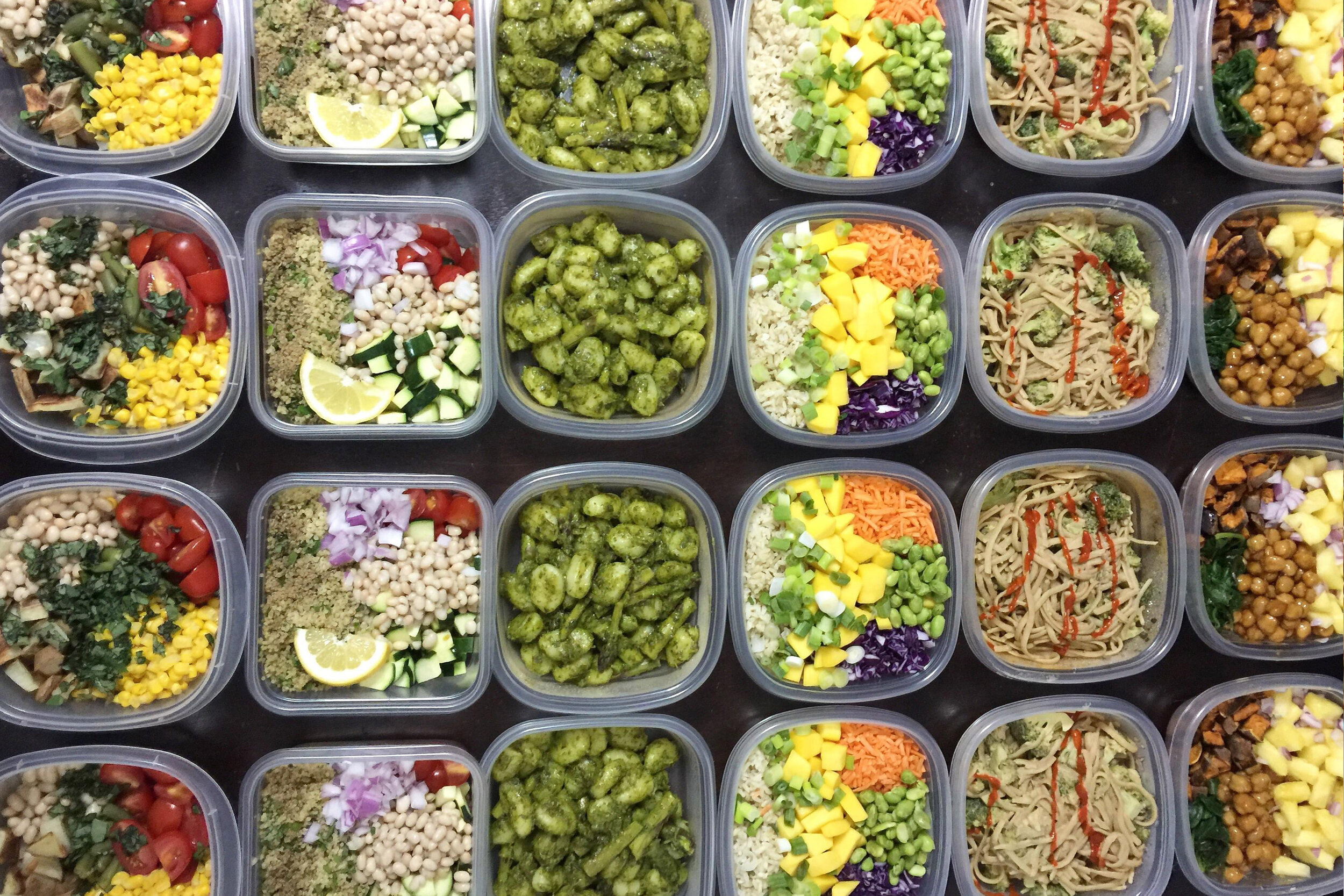
Effective meal preparation transforms nutrition from a daily challenge into a streamlined system. The goal extends beyond merely cooking in advance—it involves creating flexible components that combine efficiently while maintaining nutritional integrity. Strategic prep work eliminates decision fatigue during busy weekdays and significantly reduces reliance on processed convenience foods.
Begin by preparing versatile base ingredients: roasted vegetables, cooked whole grains, and protein sources that remain flavorful for several days. Store components separately rather than as complete meals, allowing creative combinations that prevent monotony. Proper storage matters enormously—glass containers preserve freshness better than plastic, and proper cooling prevents bacterial growth. Blanching vegetables before freezing maintains texture and nutrients far better than freezing raw produce.
Time-saving techniques include batch cooking proteins on weekends, utilizing slow cookers for hands-off preparation, and washing greens immediately after purchase. Pre-portioned ingredients reduce waste and eliminate measuring during cooking. Focus on nutrient-dense foods that withstand storage well: root vegetables, cruciferous vegetables, legumes, and whole grains. This systematic approach typically requires two to three hours weekly but saves countless hours of daily cooking while supporting consistent healthy eating patterns.