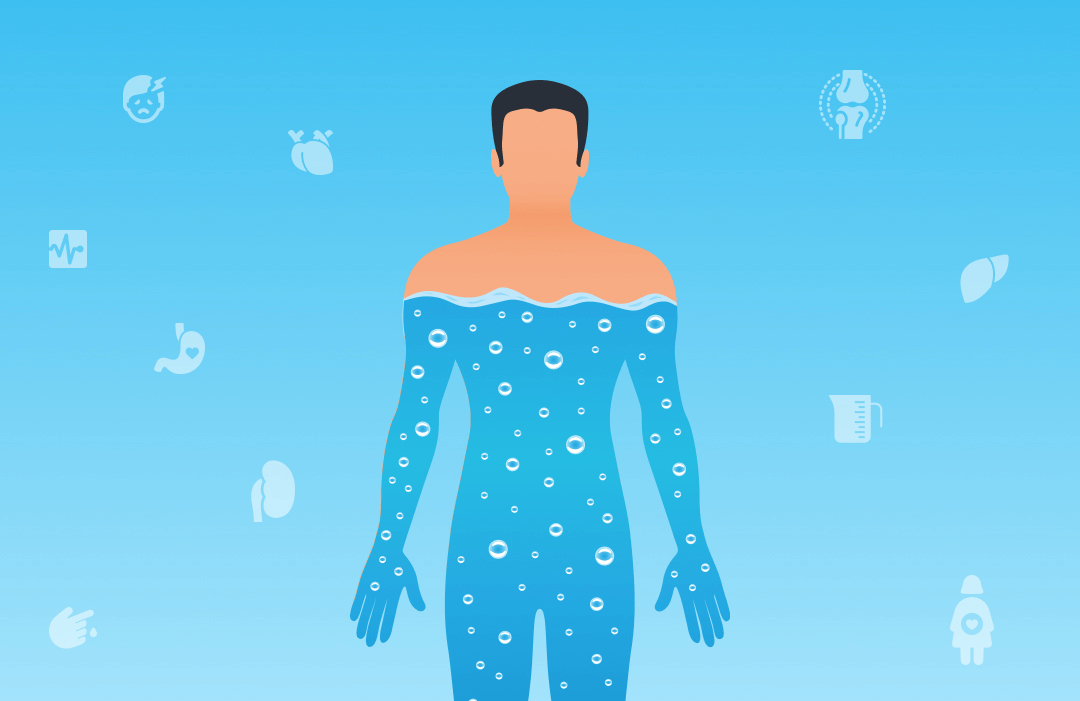
Water comprises approximately sixty percent of adult body weight, yet most people chronically underestimate their hydration needs. Proper fluid intake influences far more than physical comfort—it directly affects cognitive performance, emotional regulation, skin elasticity, joint health, and metabolic efficiency. Even mild dehydration, as little as two percent body water loss, can impair concentration and increase fatigue.
Individual hydration requirements vary based on activity level, climate, and body composition, but general guidelines suggest consuming water consistently throughout the day rather than large quantities at once. Monitor urine color as a practical indicator: pale yellow suggests adequate hydration, while darker shades indicate increased needs. Environmental factors matter significantly—air conditioning, heating, and air travel all accelerate water loss.
Strategic hydration practices include drinking water upon waking to compensate for overnight fluid loss, consuming water before meals to support digestion, and maintaining consistent intake during physical activity. Herbal teas and water-rich foods like cucumbers and watermelon contribute to overall hydration. Coffee and tea, despite common misconceptions, provide net hydration benefits for regular consumers. Prioritizing consistent water intake represents one of the simplest yet most impactful health interventions available.